
Enhancing resilience with smart grids: Professor Jian-Hong Liu from Taiwan Tech’s recognized for research excellence.
As renewable energy expands rapidly and electricity consumption patterns evolve, maintaining grid stability under increasingly dynamic conditions has become a critical issue in the energy transition. Taiwan Tech Associate Professor Jian-Hong Liu has long been engaged in research on power system stability control, smart grids, microgrids, and renewable energy. He is dedicated to enhancing grid stability and resilience under high penetration of renewables while bridging research results with real-world applications. In recognition of his forward-looking and application-driven research, he has been awarded the “2025 Delta Young Technology Scholar Award”, which provides NT$1 million annually for three years, totaling NT$3 million.
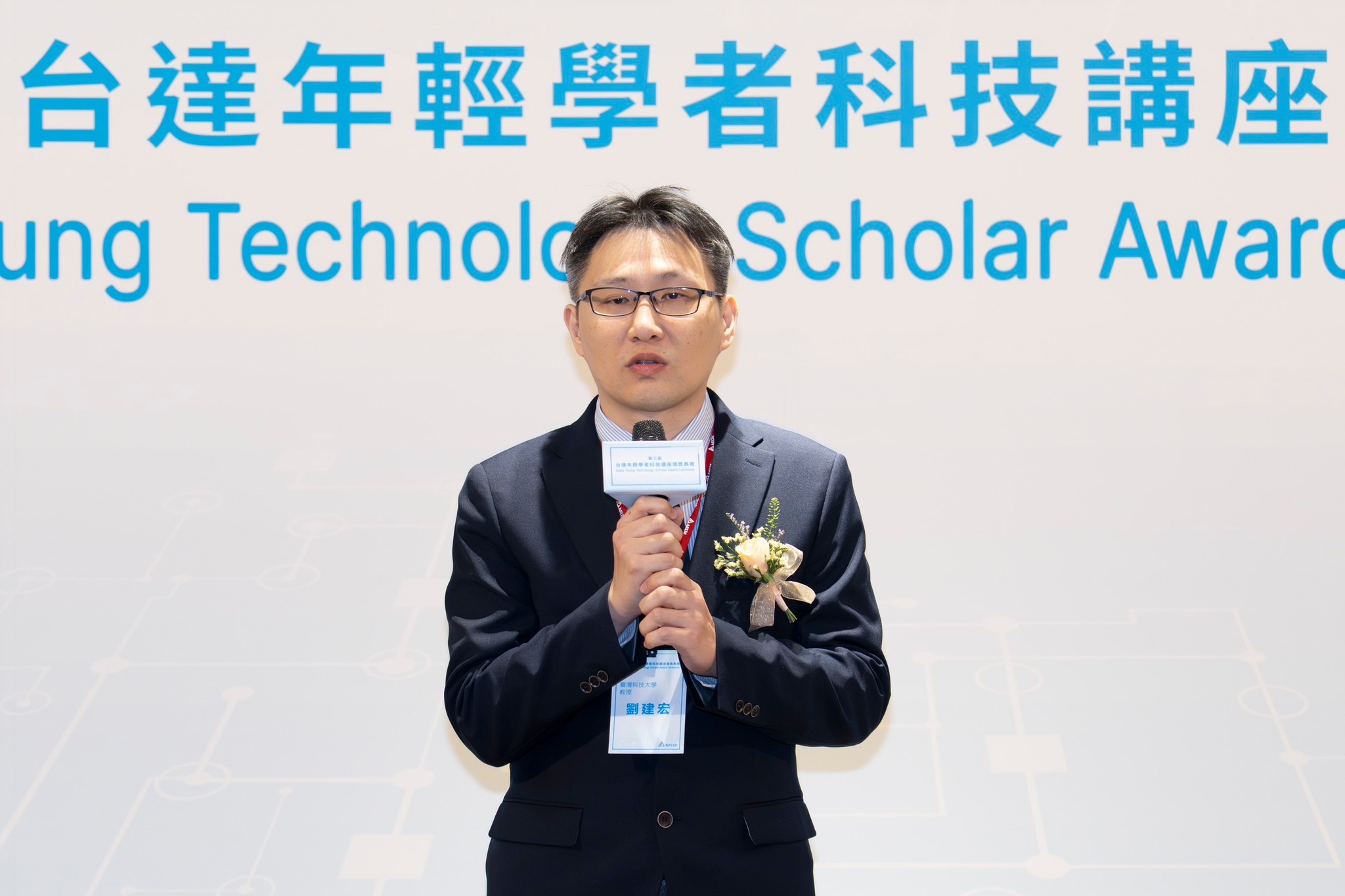
Focusing on interdisciplinary power systems and intelligent applications, the outstanding research of Jian-Hong Liu has earned him the “2025 Delta Young Technology Scholar Award.”
His research spans core power system technologies and the needs of energy transition, closely aligning with industrial development. He noted that the significance of this award lies in fostering a collaborative model of “industry defines the problems, academia provides the solutions,” enabling academic research to respond to real-world needs while jointly advancing technological innovation and talent cultivation. This also highlights Taiwan Tech’s growing research strength in energy and power systems.
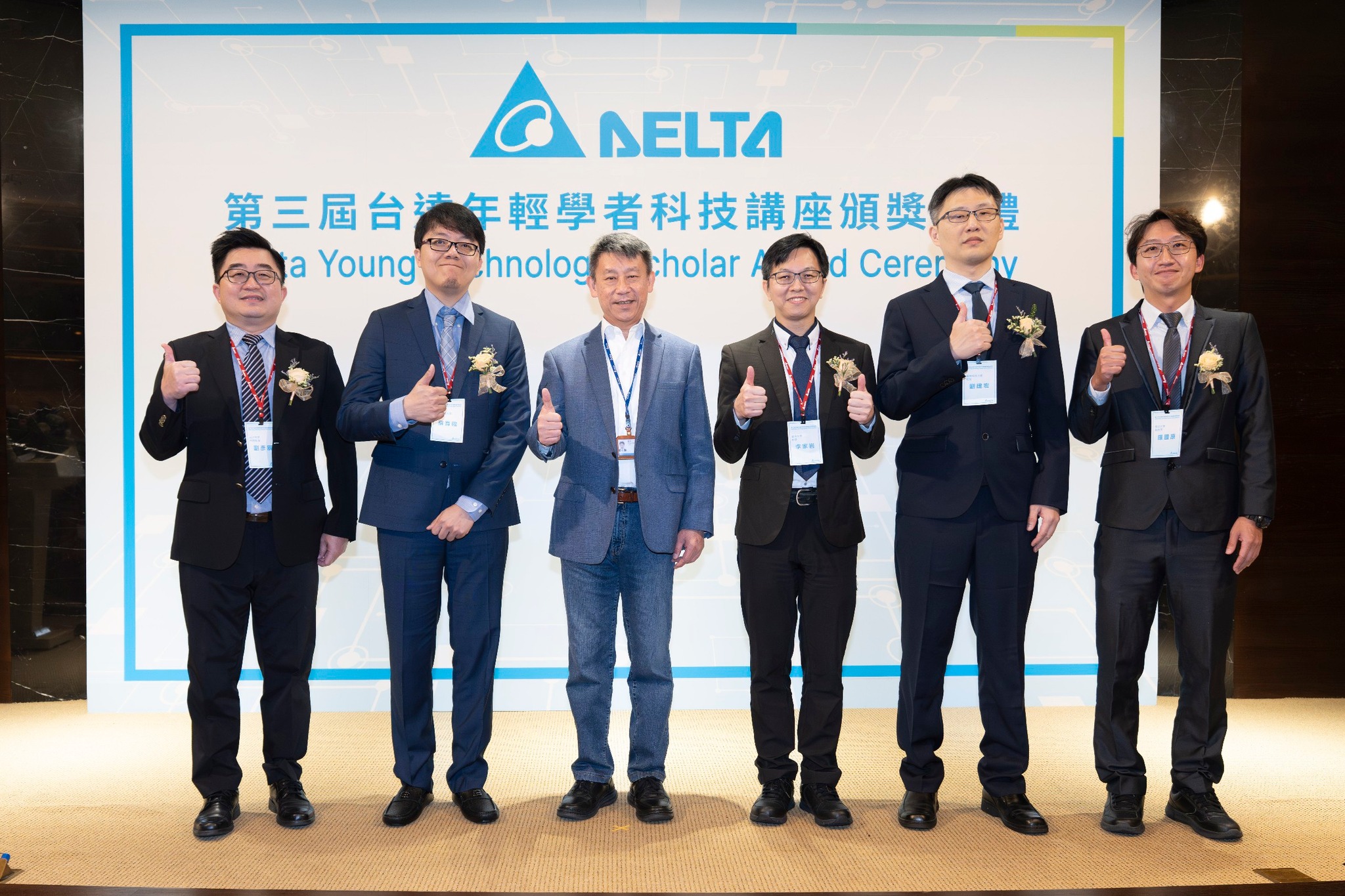
Professor Jian-Hong Liu (second from right) received the “2025 Delta Young Technology Scholar Award” and was photographed with Delta Electronics Chairman Ping Cheng (third from left).
Reflecting on his academic journey, Professor Jian-Hong Liu shared that his interest in Taiwan’s energy development began during his university years. At the time, renewable energy sources such as wind power were becoming policy priorities, posing new transformation challenges to what had previously been relatively mature power systems. As the share of renewable energy continues to rise, grid structures and operations have become increasingly complex, leading him to recognize that power systems are not only fundamental to electrical engineering but also central to the stability and intelligent development of future energy systems.
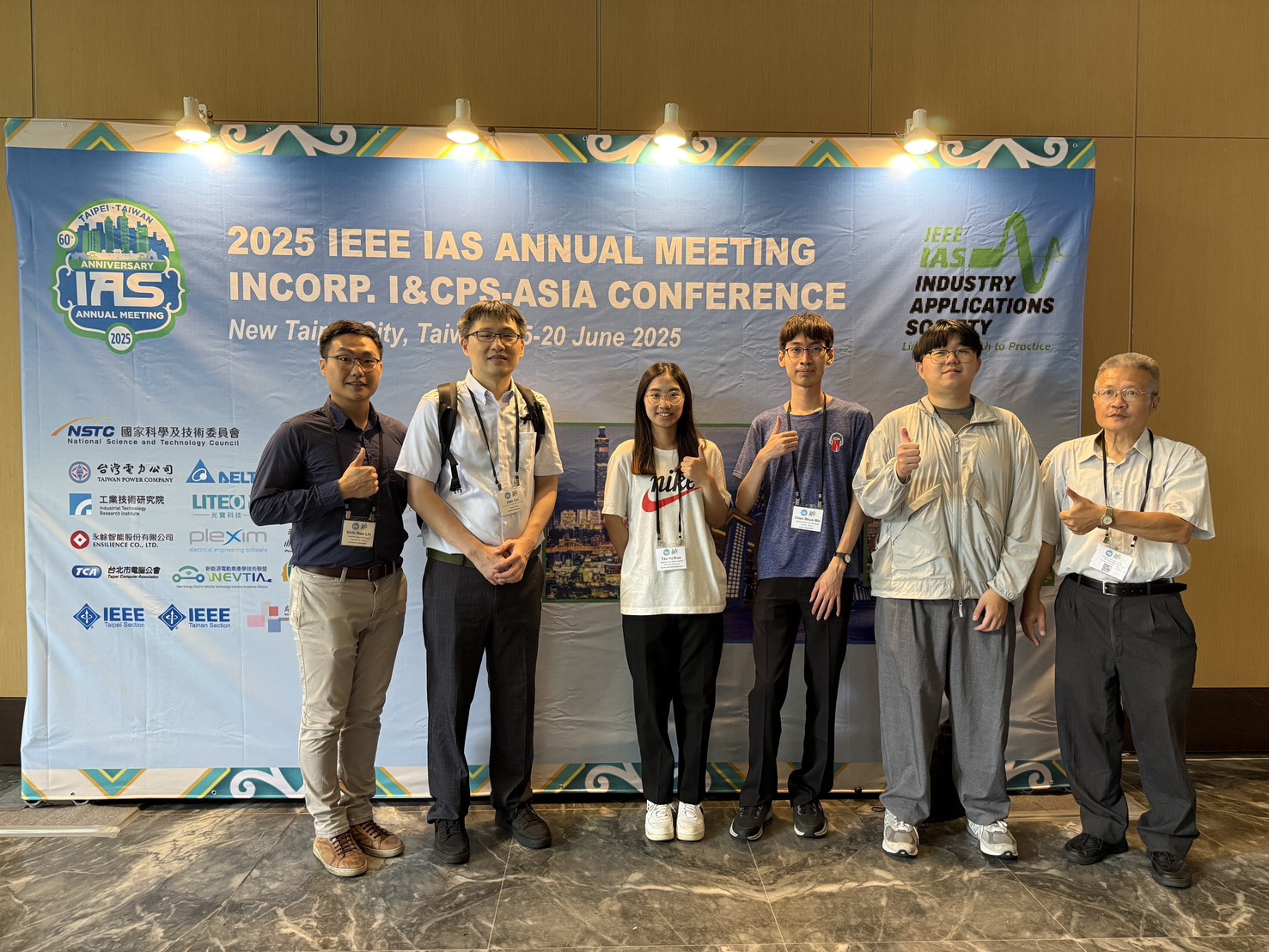
Professor Jian-Hong Liu (second from left) attended the 2025 IEEE Industry Applications Society (IEEE IAS) Annual Meeting.
Addressing current challenges in power systems, he explained that the rapid growth of renewable energy, combined with uncertainties such as weather and load fluctuations, has significantly increased the complexity of grid monitoring and dispatch. This requires more real-time and intelligent technological support. His research focuses on real-time monitoring and early warning mechanisms, helping systems identify risks before abnormalities occur and improving overall power supply reliability.
In the field of smart grid research, Professor Jian-Hong Liu emphasized that the core lies in real-time sensing, analysis, and dispatch capabilities, distinguishing it from traditional centralized grids. Through sensing devices and data analytics, grids can monitor operational status in real time and perform precise control. He further integrates machine learning methods to develop microgrid “islanding detection” technologies, enabling microgrids to quickly switch to autonomous operation after disconnecting from the main grid, ensuring uninterrupted power supply.
Microgrids are also a key focus of his research. He explained that microgrids can be viewed as localized power systems with a certain level of self-sufficiency. They are normally connected to the main grid but can operate independently when necessary, helping to distribute risk and enhance overall grid resilience. His work addresses real-time decision-making and coordinated control, proposing strategies for multiple microgrids to operate collaboratively so that systems can quickly regain stability under resource imbalances or changing conditions. However, practical implementation still faces challenges such as communication quality, equipment integration, and regulatory frameworks.
Discussing renewable energy development, Professor Jian-Hong Liu stressed that the key lies not only in advancements in power generation technologies but also in the availability of stable, reliable, and intelligent grid support. He has developed various diagnostic and analytical technologies to help systems identify potential risks in advance, enabling distributed energy resources not only to generate power but also to support grid operations. These results are expected to be applied in real-time control and dispatch in the future, laying a stronger foundation for energy systems.
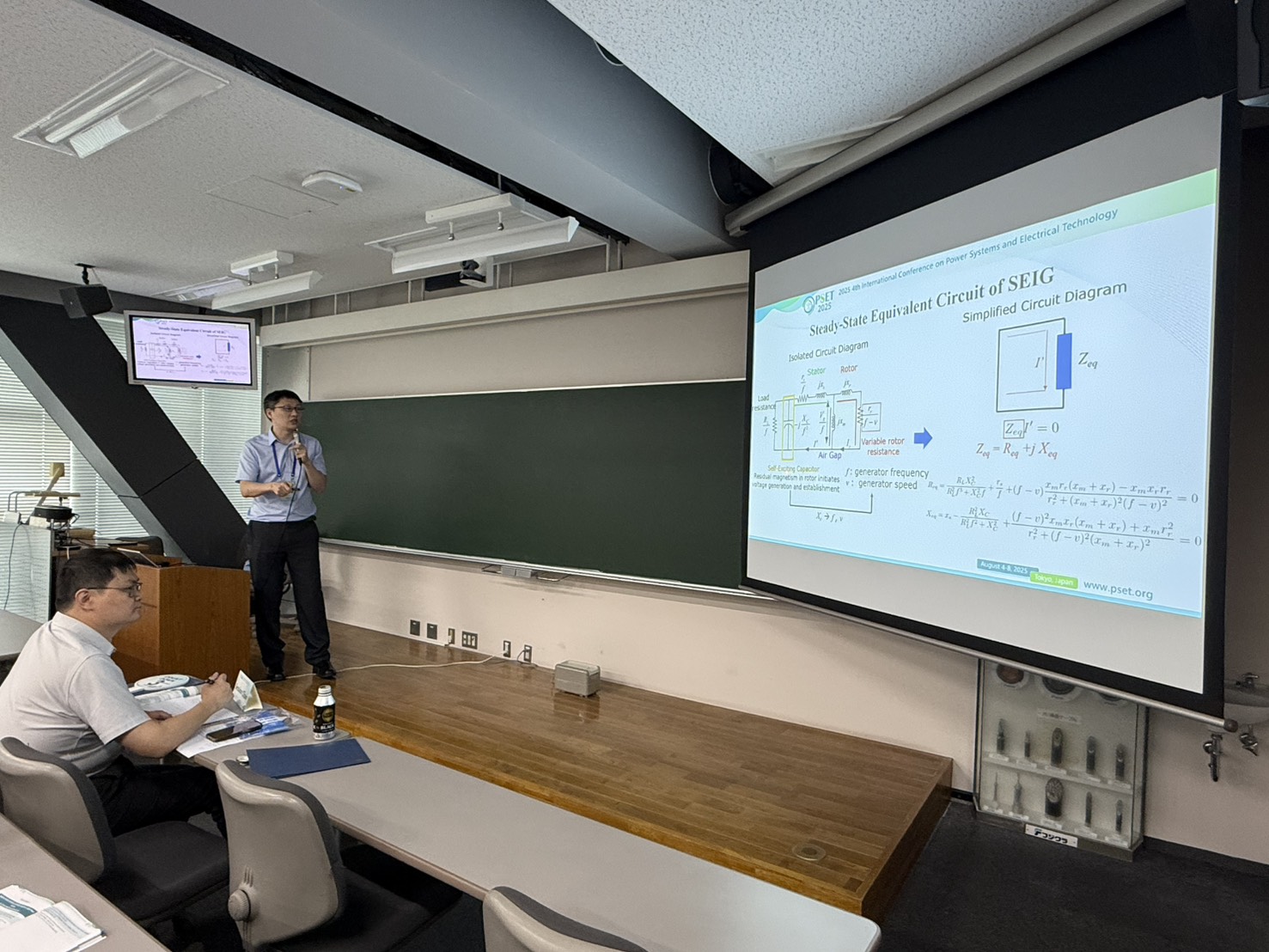
Professor Jian-Hong Liu presented his research at the 2025 PSET (Power Systems and Electrical Technology) International Conference.
Regarding industry–academia collaboration and talent development, Jian-Hong Liu emphasized that engineering research should respond to real industry needs. Through collaboration and practical engagement, the application value of research results can be enhanced. He also encourages young students to understand industry trends early, choose research directions with long-term value and real-world impact, and gradually build professional competence that integrates both theoretical foundations and practical skills.
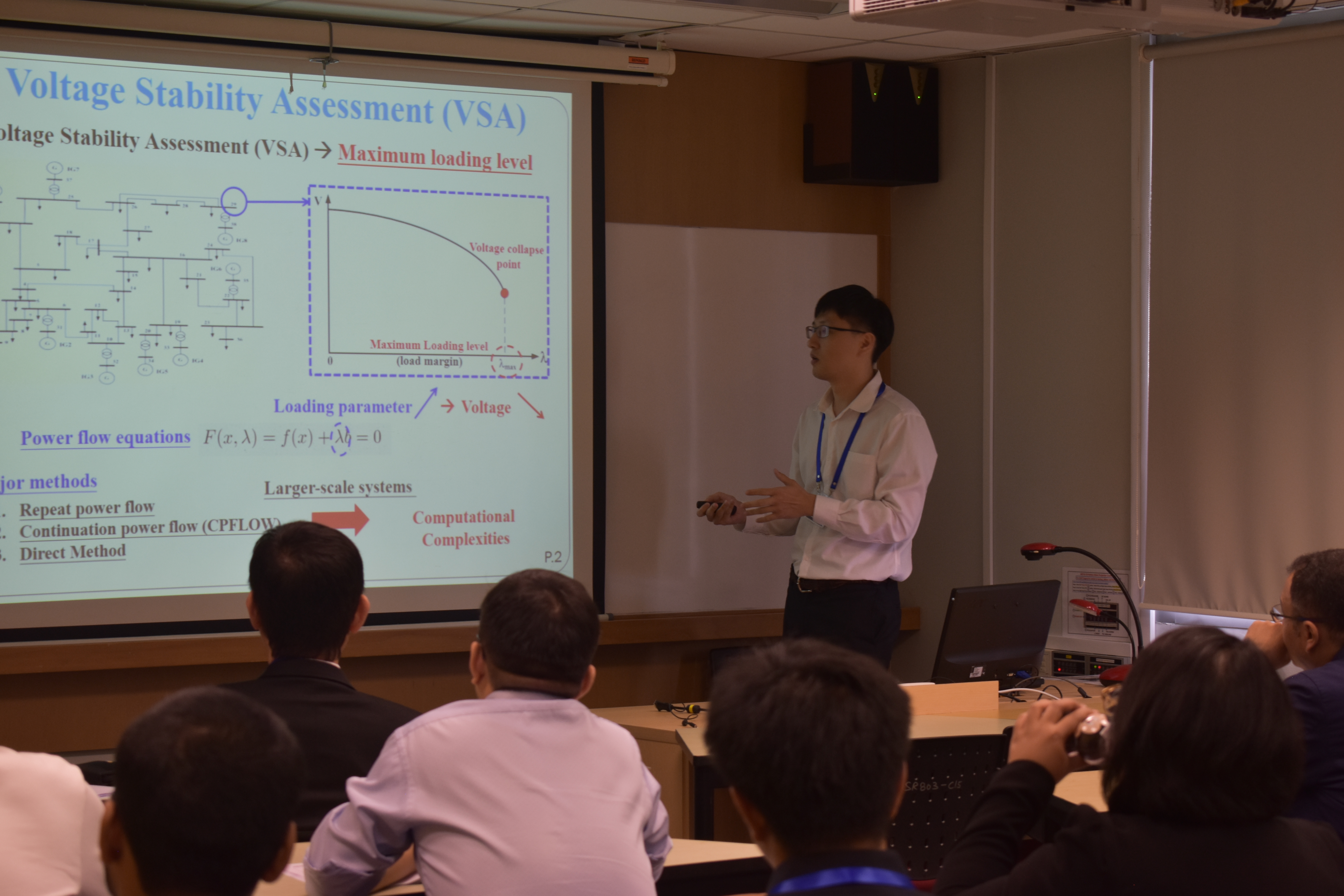
Professor Jian-Hong Liu presented his research at the 2019 ICPEA (Power and Energy Applications) International Conference.