
Taiwan Tech Alumnus Cheng-Tsung Fan pursues interdisciplinary creativity and gives back to support the Ching-Cheng Scholarship Fund.
Cheng-Tsung Fan, an alumnus of the Master's Programme in the Department of Design at Taiwan Tech, has long been active in both international and local art scenes. In recent years, his artistic works, which combine natural materials, site-specific awareness, and structural thinking, have attracted considerable attention. During his university years, he won dozens of domestic and international design awards, including the iF Design Award and the Red Dot Design Award. He also ventured into interdisciplinary fields such as software development, project planning and implementation, and entrepreneurship competitions.
Cheng-Tsung Fan explained that during his studies at Taiwan Tech, he had benefited from scholarships and the support of others. Now that he is in a position to do so, he hopes to pass on that kindness by giving back to his alma mater through a donation to the Jingcheng Scholarship Fund. In his view, the sharing of resources is not only a form of financial assistance; but it is also a positive cycle that gives more students greater choices and opportunities as they face the future.
Reflecting on his time in the Department of Design at Taiwan Tech, Fan identified systematic and logical thinking, together with a proactive attitude towards challenges, as the most valuable lessons he gained. These abilities enable him to apply rational frameworks when addressing complex structural and material issues in artistic creation, while seeking a balance between traditional craft materials and contemporary aesthetics and exploring new creative possibilities.
He believes that Taiwan Tech has considerable potential to nurture contemporary creators through its unique environment, where technology, engineering, and creativity intersect across both theoretical and practical dimensions. By allowing students to explore creative possibilities while developing a solid understanding of engineering principles and practical applications, the university provides particularly valuable support for interdisciplinary development involving materials, structures, and spatial design. Drawing on his own experience, Fan noted that working across disciplines has enabled him to take the initiative in identifying directions and turning ideas into practice, especially in situations where there are no standard answers. This experience has also laid a solid foundation for his subsequent entrepreneurial ventures and team management.
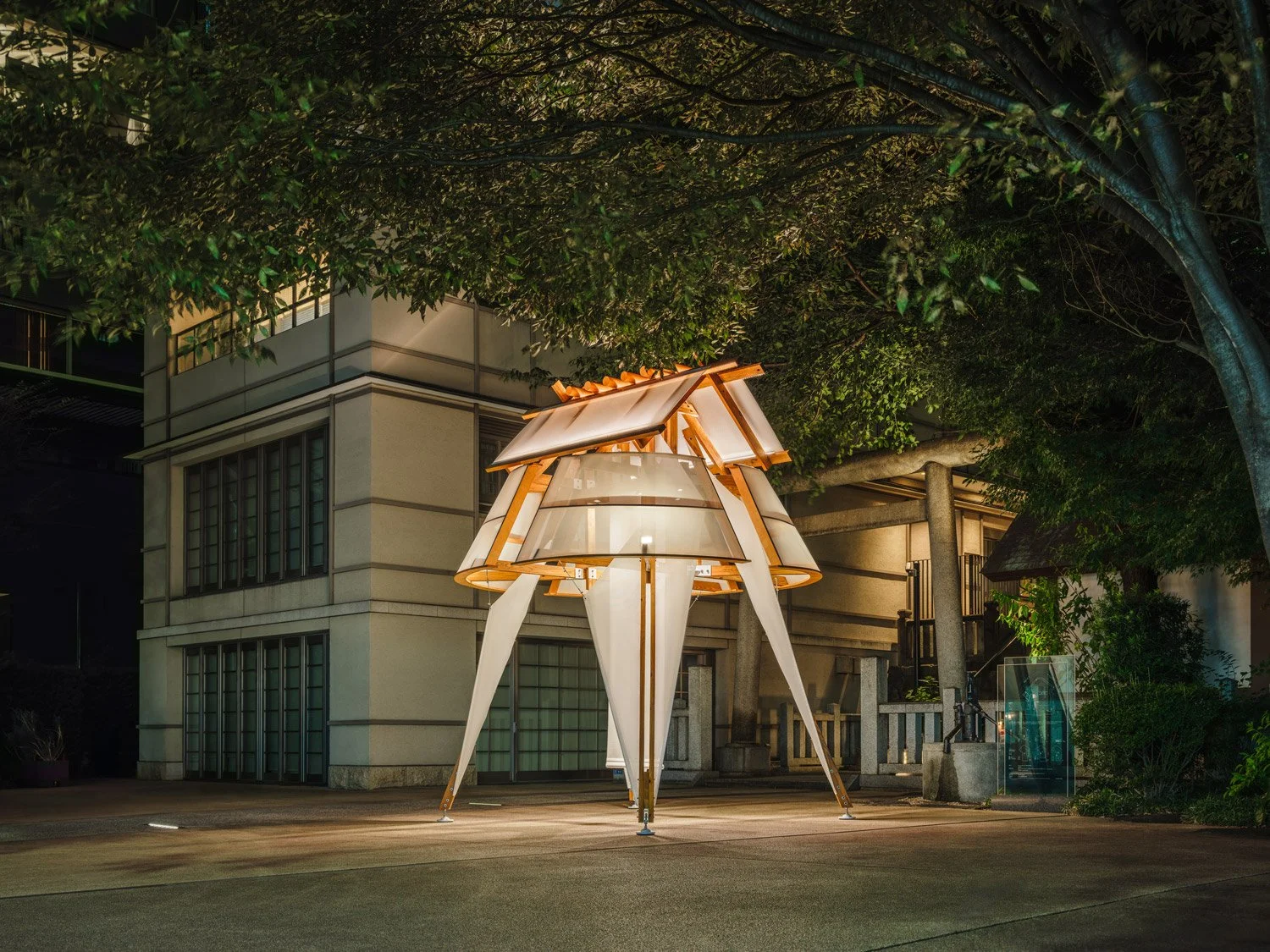
Fan's large-scale commissioned work, Roppongi Sail Castle, in Japan required him to oversee multiple stages following design approval, including packing, assembly and installation, exhibition, and dismantling and transportation back to Taiwan.
Fan's interdisciplinary experience is particularly evident in his business-oriented thinking and attention to administrative details. Take Roppongi Sail Castle, a large-scale commissioned project in Japan, as an example. Following design approval, the project involved several stages, including packing, assembly and installation, exhibition, and dismantling and transportation back to Taiwan. Various challenges arose throughout the process. However, thanks to his extensive interdisciplinary experience, Fan was able to overcome them one by one.
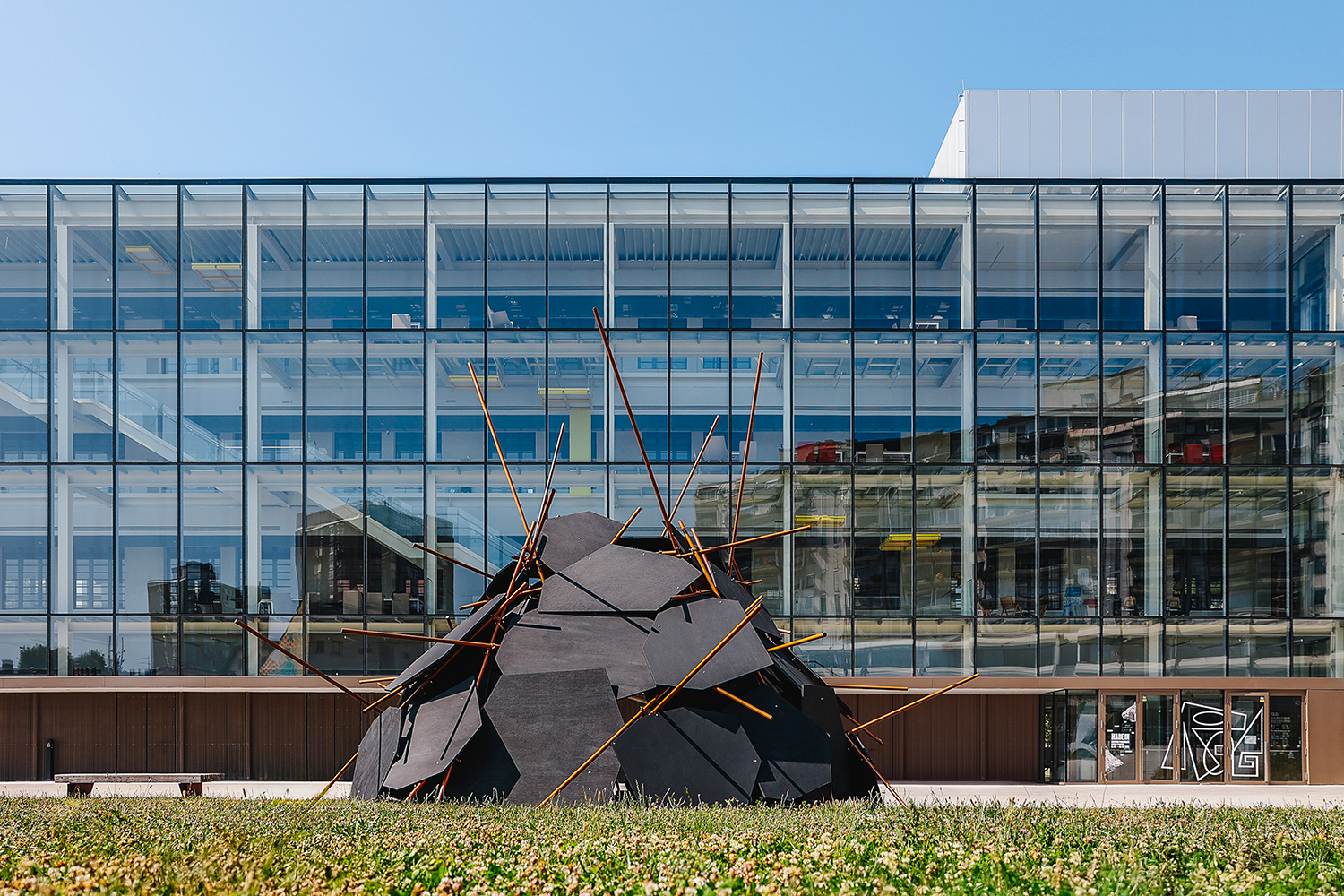
In his Nest Project series, Fan learns from the nesting techniques of animal architects inhabiting the project sites and reinterprets their remarkable natural instincts through human construction materials and craftsmanship. Inspired by the dragon culture of Ljubljana, the capital of Slovenia, a city also known as the "City of Dragons", Fan chose the mythical creature for the first time as the central theme of his Nest Project series.
Moving between international exhibitions and local artistic projects in Taiwan, Fan acknowledged that different cultural contexts and institutional systems bring various constraints and challenges, including budget limitations and construction regulations. However, he does not regard these factors as reasons to compromise the essence of his creative practice. Instead, he sees them as "site-specific conditions" that must be understood and addressed.
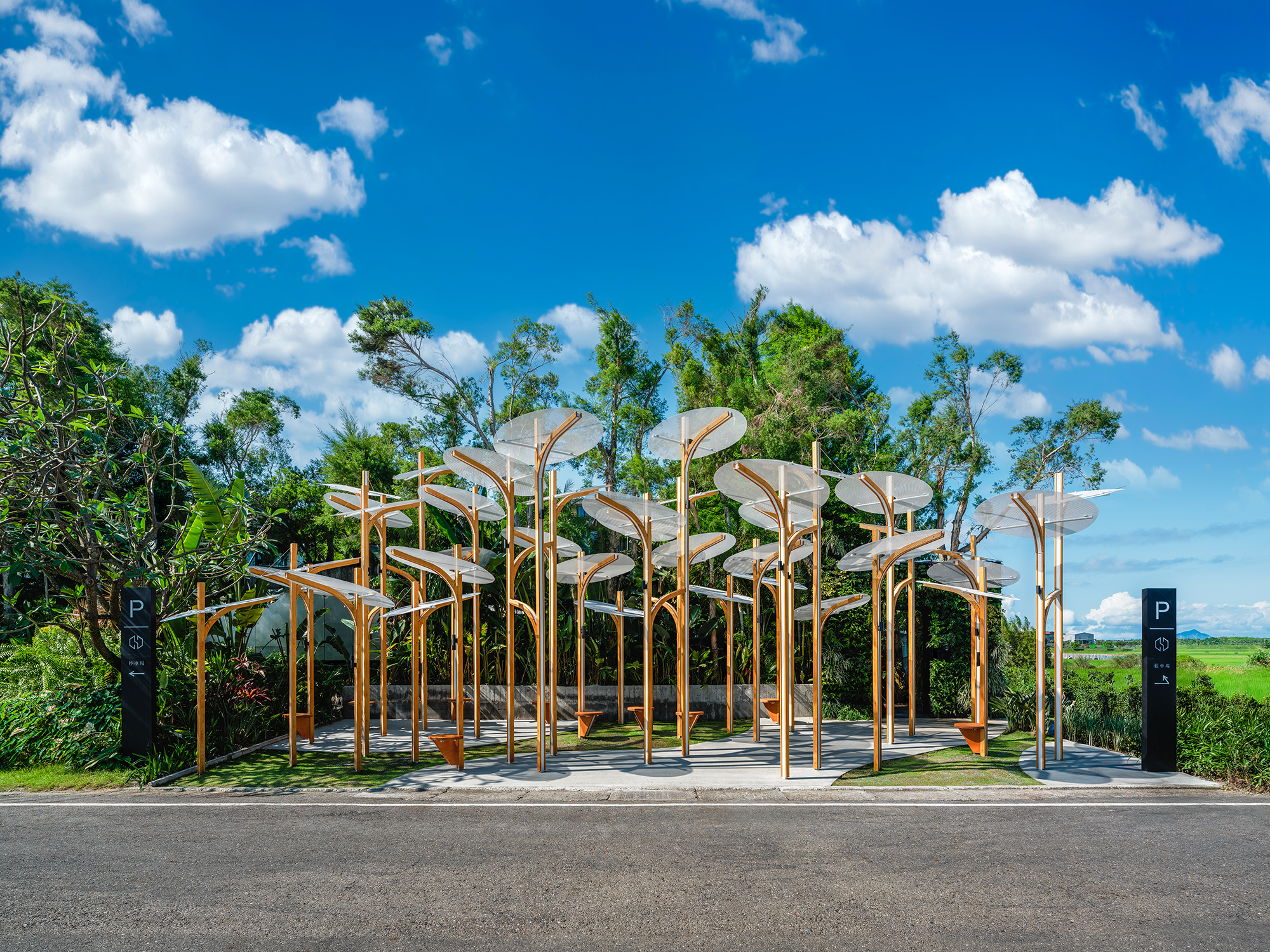
In his Structural Botany series, Fan extracts geometric elements from the diverse characteristics of plants and reinterprets them through artificial structures and components, exploring the blurred boundaries between natural forms and human-made constructions.
For Fan, every creative project begins not with form, but with an understanding of the site. He visits each project location in person to experience its environmental conditions, examine its local cultural context, and explore its historical narratives. These observations then inform his thinking about how a work should take shape. In his view, the essence of artistic creation lies not in defining a theme, but in finding a precise and harmonious relationship between traditional materials and contemporary structures.

Fan's Little Bamboo House Project involves constructing small-scale architectural structures primarily from bamboo, drawing inspiration from traditional ways of wrapping and packaging food.
Against the backdrop of an increasingly fast-paced contemporary art industry, Fan also offers a different perspective on the concept of "slow craftsmanship". He believes that being slow does not mean being inefficient; rather, it represents a deliberate choice concerning aesthetics and values. It reflects the depth and richness accumulated through research, experimentation, and collaboration. From preliminary material testing to on-site construction in collaboration with teams of specialists, every stage requires what he describes as "efficient slowness". In an era that prioritises speed and productivity, this approach to creative practice has become increasingly rare and, consequently, more valuable.
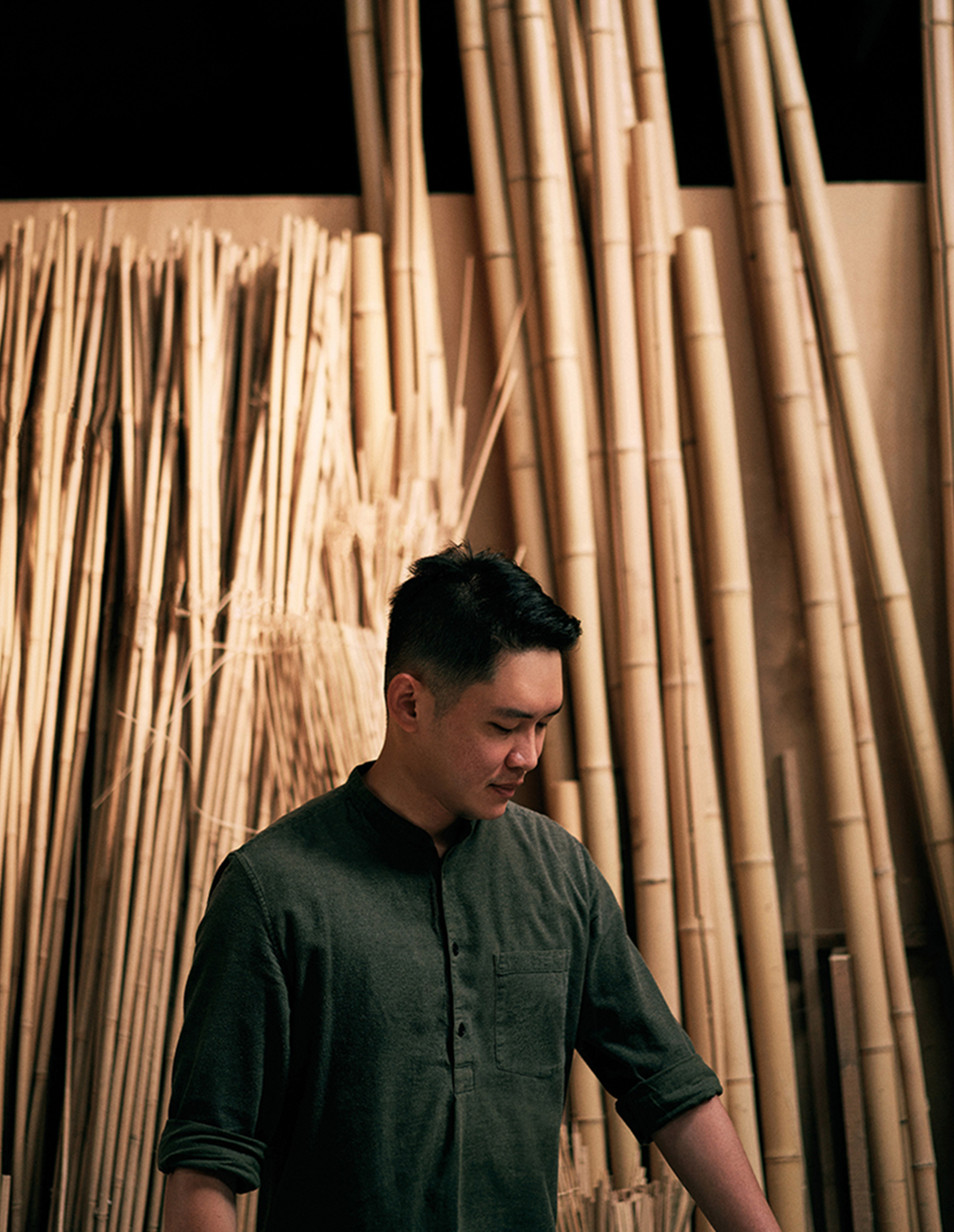
Fan has chosen to give back to his alma mater by donating to the Jingcheng Scholarship Fund. Having received from scholarships and the support of others during his studies he now hopes to continue this goodwill to the best of his ability.
Through years of hands-on experience, Cheng-Tsung Fan has not only developed a distinctive artistic language but also opened up more flexible pathways for the next generation of creators. His work demonstrates how design and art can continue to evolve and generate new possibilities across diverse disciplines and contexts.