
National Taiwan University System unites at QS Higher Ed Summit: Asia Pacific 2025 to expand global collaboration.
The National Taiwan University System - comprising National Taiwan University, Taiwan Tech, and National Taiwan Normal University - jointly participated in the QS Higher Ed Summit: Asia Pacific 2025, held at Korea University’s Seoul Campus from November 4 to 6. The summit brought together hundreds of universities and over 1,500 higher education leaders from around the world to explore emerging trends in cross-generational talent cultivation and innovative collaboration. The NTU System showcased a “team-based” model of integrated resources and collaborative development, highlighting the strength and cooperative potential of Taiwan’s higher education sector in the Asia-Pacific region while advancing international exchange and academic partnerships.
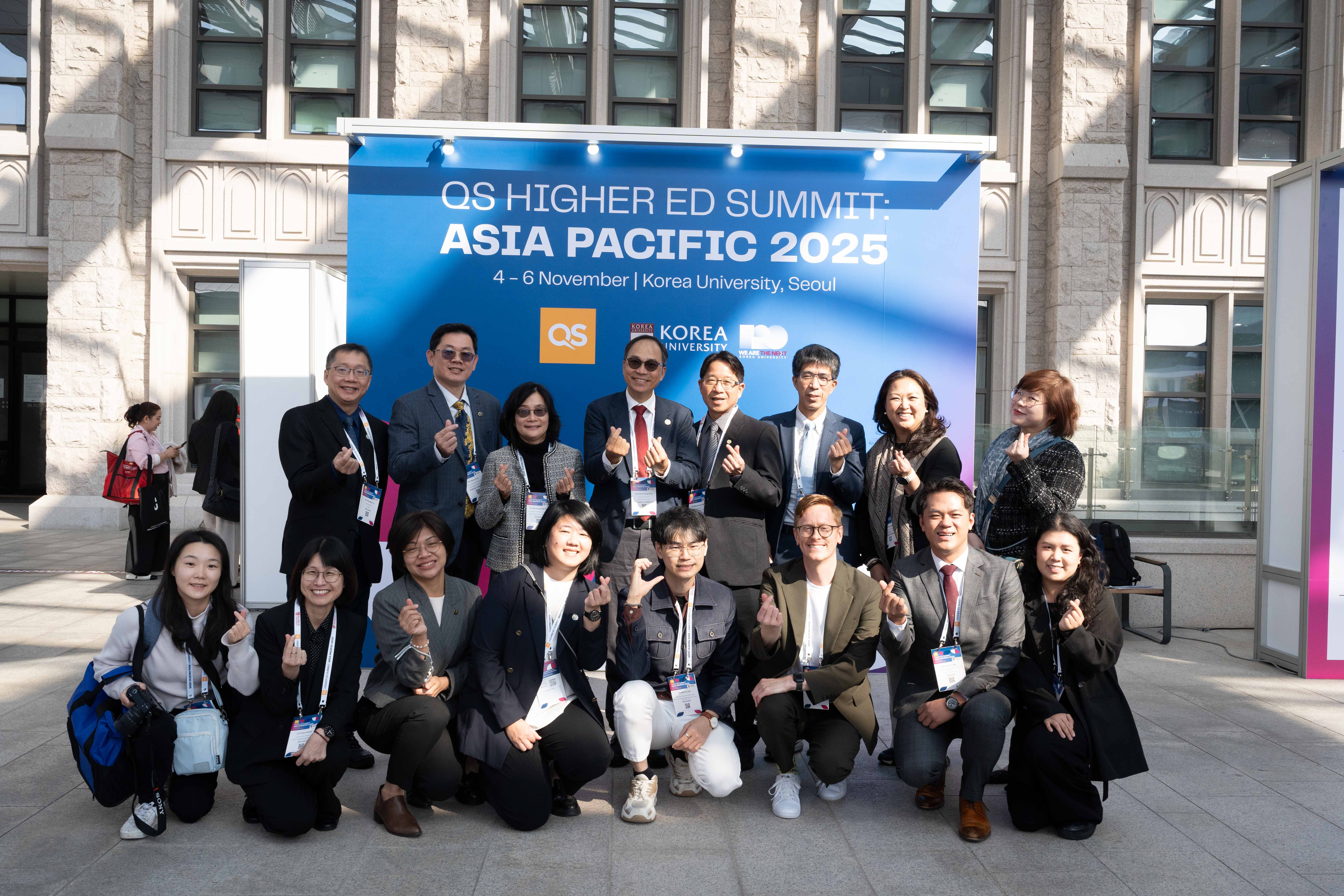
The National Taiwan University System participated jointly in the QS Higher Ed Summit: Asia Pacific, held at Korea University’s Seoul Campus from November 4 to 6. Presenting a “team-based” model built on integrated resources and collaborative development, the system highlighted the strength and cooperative potential of Taiwan’s higher education in the Asia-Pacific region.
The delegation was led by NTU Vice President and Executive Director of the NTU System, Shih-Torng Ding, together with Taiwan Techh Vice President Tzu-Chuan Chou and NTNU Vice President of Research and Development, Ying-Shao Hsu. In addition to attending summit forums and lectures, the NTU System also set up a joint booth at the venue, where its team engaged in one-on-one exchanges with university leaders and representatives from around the world. They introduced the achievements and future strategic directions of the three universities in research innovation, international collaboration, and educational practice. Their presence attracted numerous universities from Southeast Asia, Japan, Korea, Hong Kong, Macau, and the Middle East - many of which stopped to negotiate possibilities for student exchange, dual-degree programmes, joint research, student internships, and faculty exchange. At the same time, they explored new collaborative models.
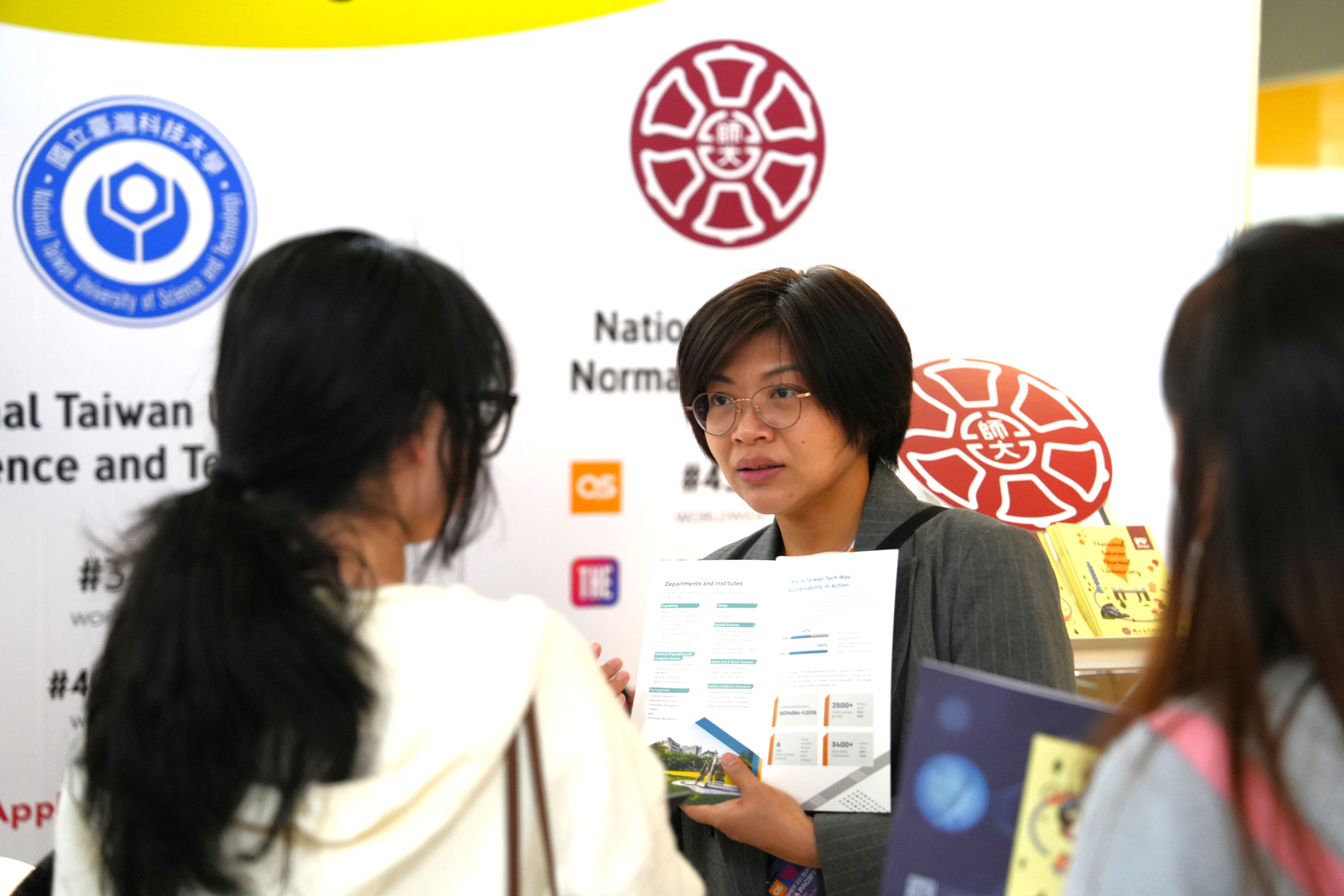
Taiwan Tech looks forward to collaborating with universities worldwide to advance international research projects, sustainable strategic development, and youth research exchanges, ensuring that its educational and research capacities continue to align with global standards.
As early as 2016, NTU, Taiwan Tech, and NTNU recognized that the influence of individual institutions was limited and that only through forming a strategic alliance could they build a long-term and impactful international presence. This led to the establishment of the NTU System, which brings together three leading universities from different educational sectors. Although each institution maintains its own characteristics in institutional development and academic positioning, their close collaboration has created an ecosystem of complementary resources. Shih-Torng Ding noted that in the rapidly evolving landscape of global higher education, the power of a single university is limited. Only through a “team-based” approach that leverages complementary strengths and shared resources can institutions build a more enduring and influential position on the international stage. He added that he hopes this summit will showcase to the global higher education community the potential and strength demonstrated by the integrated efforts of NTU, Taiwan Tech, and NTNU.
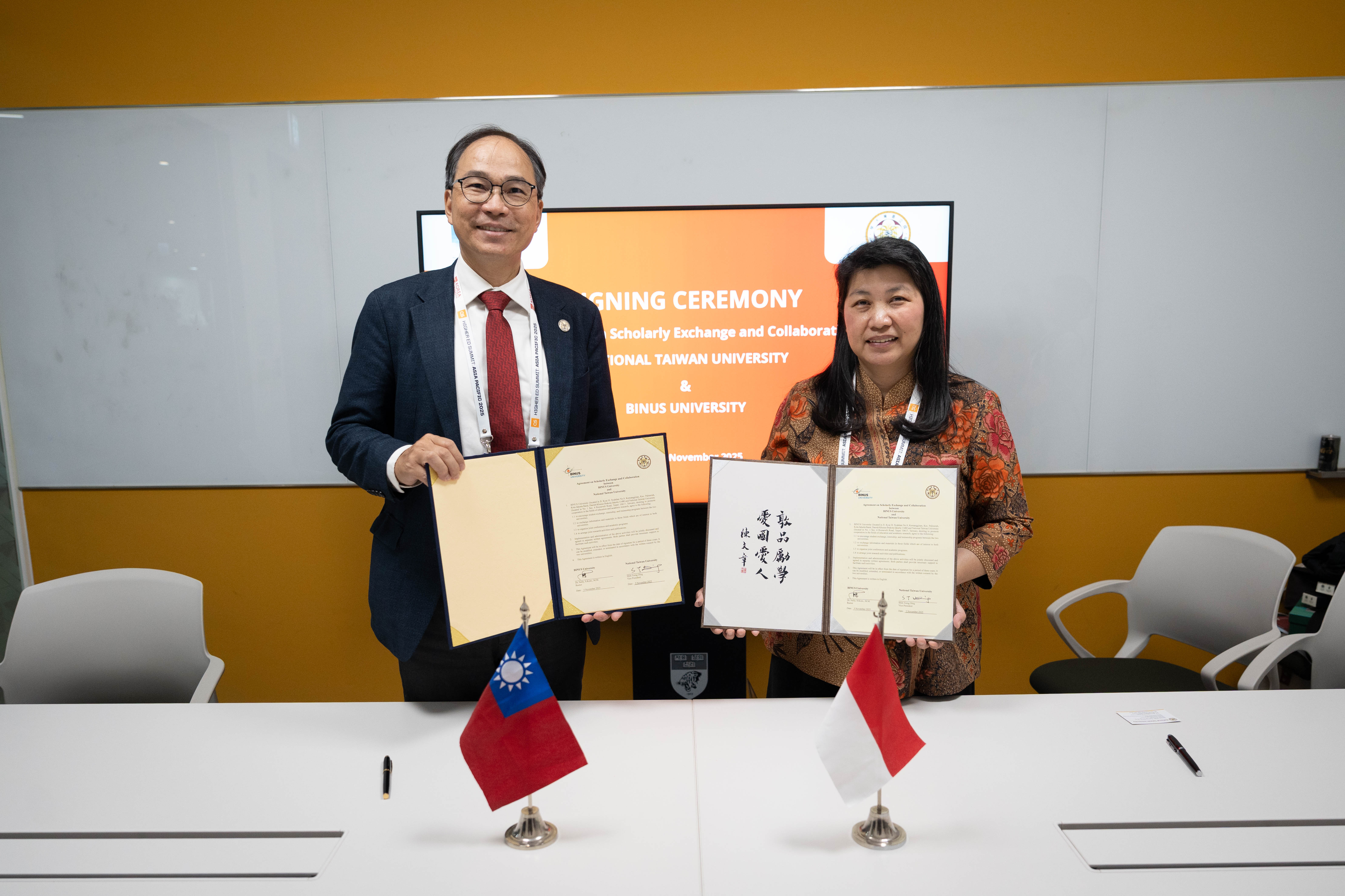
National Taiwan University and BINUS University of Indonesia signed an MOU during the summit. BINUS University is also the host of next year’s QS Higher Ed Summit: Asia Pacific, which will take place in Bali, Indonesia.
Taiwan Tech Vice President Tzu-Chuan Chou noted that “our participation is not only about showcasing the university’s achievements across various fields, but also about using this international platform to explore new models of collaboration and build connections with institutions around the world. Only by continually evolving and maintaining organizational resilience can we move forward steadily in an environment defined by both competition and cooperation.” He added that Taiwan Tech also hopes to promote international research projects, sustainable strategic development, and youth research exchanges, ensuring that the university’s educational and research capacity continues to align with global standards.
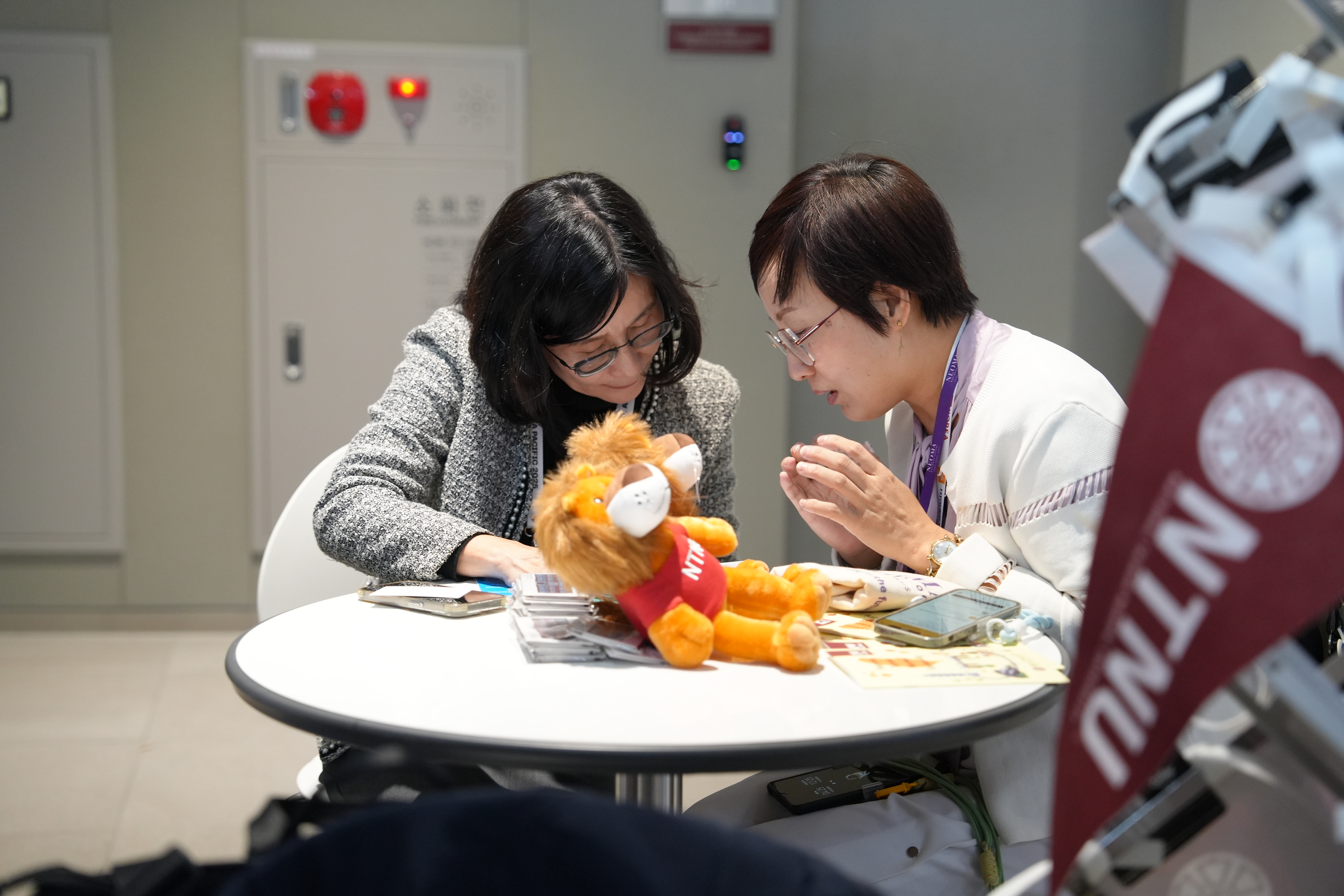
Although NTU, Taiwan Tech, and NTNU each have distinct institutional focuses - NTU emphasizes research leadership, Taiwan Tech excels in applied technology, and NTNU specializes in education and the humanities - their close collaboration has created an ecosystem of complementary resources.
In addition, the QS Higher Ed Summit: Asia Pacific specially invited former United Nations Secretary-General Ban Ki-moon to deliver the opening keynote, which resonated strongly with the spirit of cross-regional and cross-disciplinary collaboration. He noted that the world is facing challenges such as climate change, widening inequality, technological transformation, and geopolitical tensions, and emphasized that only through international, intergenerational, and interdisciplinary cooperation can sustainable solutions be found. He stressed that “quality education is a key force in addressing global challenges” and called on universities worldwide to work together to cultivate young people with a global perspective and sense of responsibility, empowering them to become creators who can change the world.
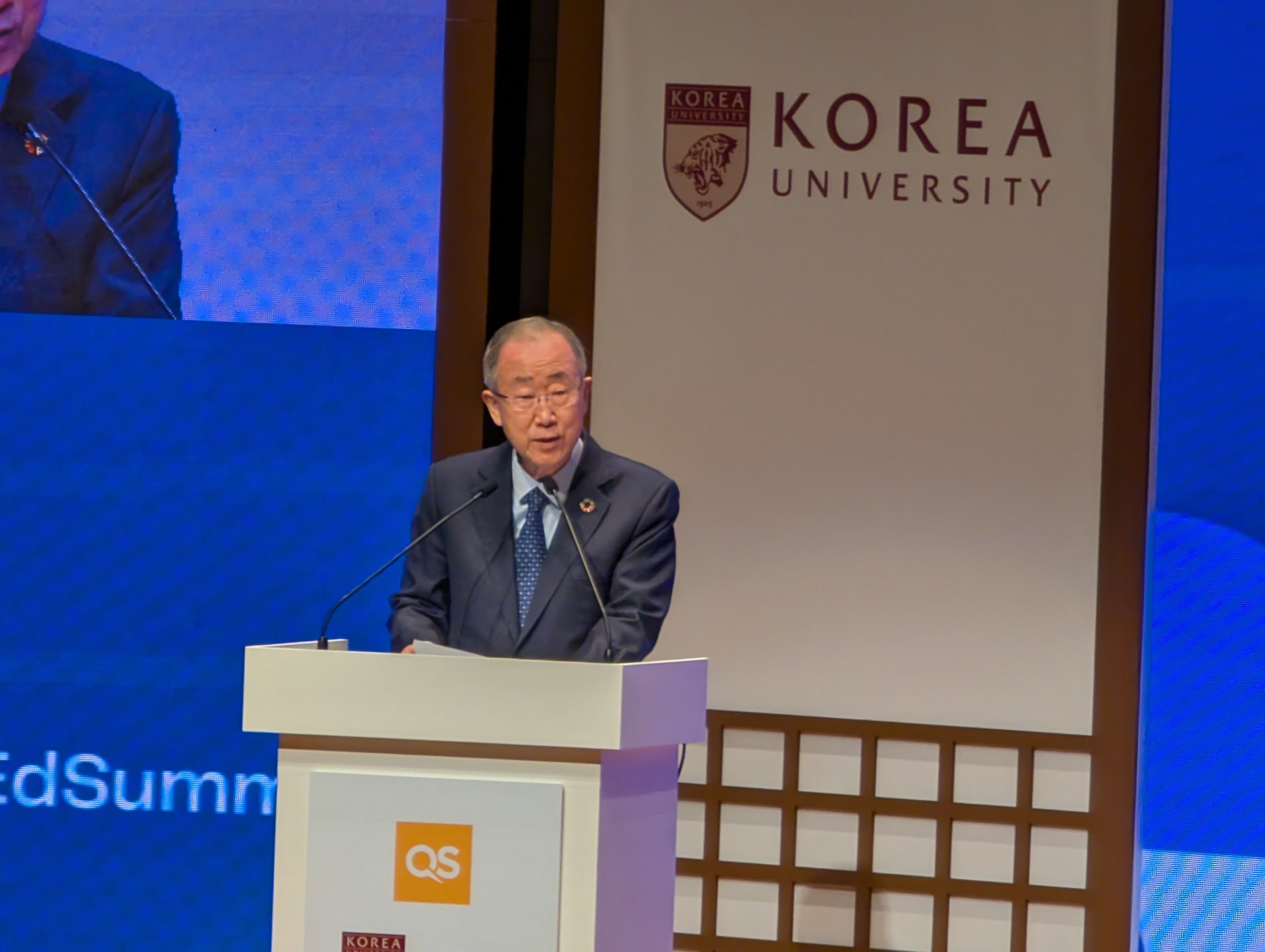
In his opening keynote, former United Nations Secretary-General Ban Ki-moon stated that the world is facing challenges such as climate change, widening inequality, technological transformation, and geopolitical tensions, and that only through international, intergenerational, and interdisciplinary cooperation can sustainable solutions be found.
With the NTU System’s presence at the QS Higher Ed Summit, Taiwan’s higher education is stepping onto the global stage as a “systematic alliance”, demonstrating collective strengths that go beyond any single institution. By working together, the universities aim to deepen partnerships with institutions worldwide, advance education and research with international impact, and ensure that Taiwan’s academic excellence and talent cultivation continue to shine on the global stage.
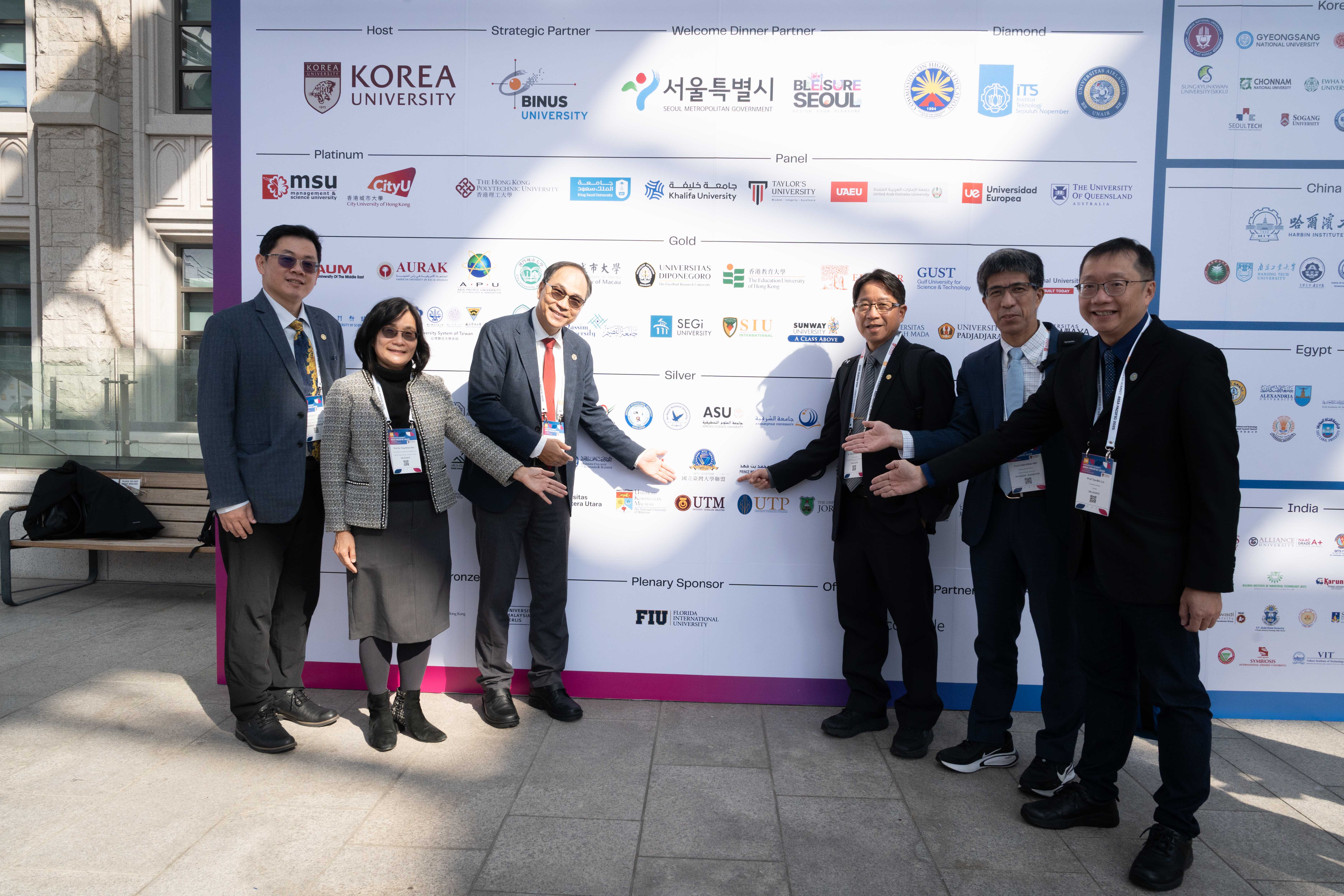
At the QS Higher Ed Summit, the NTU System made its global debut as a “systematic alliance,” showcasing collective strengths that go beyond any single institution. The universities are working together to deepen partnerships with institutions worldwide and to advance education and research with international impact. From left: NTNU Associate Vice President for Academic Affairs Kuen-Yi Lin, NTNU Vice President of Research & Development Ying-Shao Hsu, NTU Vice President and Executive Director of the NTU System Shih-Torng Ding, Taiwan Tech Vice President Tzu-Chuan Chou, NTU College of Management Associate Dean for Academic Affairs Chih-Ping Wei, and FITCHET Executive Director Tzu-Bin Lin.